

PLAYLISTS AND GUIDES
Complete multi-part lesson series on specific topics
New To Music Theory? Start Here!
Most of my lessons require a basic understanding of music theory. Here's how you can gain those skills first.
How to Write Chord Progressions
Learn beginner to advanced harmony by crafting your own chord progressions in major and minor.
Understanding The Modes
Watch through these lessons, and you're guaranteed to never be confused by modes again
Perfect Progressions
Take a deep dive into popular music to see how the music theory you're learning actually gets used.
Riffing With Modes
Learn how to write entire songs using modal concepts, with a focus on guitar riffing
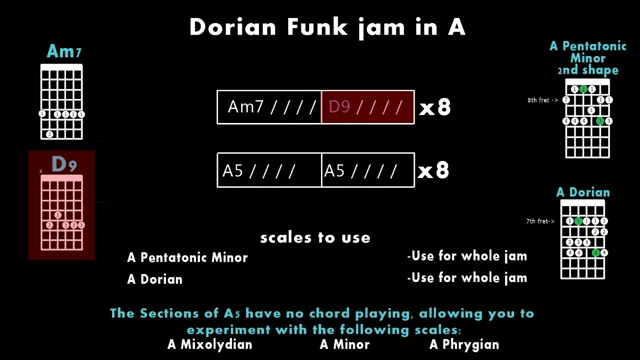
Jam Along and Improvise
Learn to improvise and jam in different keys with scale charts and chords displayed on screen
Exploring Harmonic Minor
A complete exploration of the Harmonic Minor Scale and how it gets used, along with a demonstration of its exotic-sounding modes.
ALL LESSONS
Completely free lessons by Jake Lizzio on music theory, songwriting, chords, scales, modes, guitar technique and more!
Showing 41–60 of 89 lessons
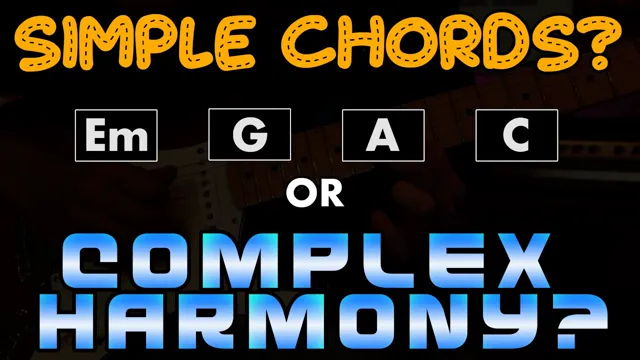
6 Ways To Solo Over 4 "Simple" Chords
Explore modal interchange between Dorian and Minor to solo over chords that don't fit a single scale. Learn scale-blending, arpeggios, and voice leading approaches.
How To Write Solos That SHRED!
Learn to compose impressive technical solos by combining melodic techniques with fast scale passages and arpeggios. Balance speed with musicality for shred guitar that actually sounds good.
Does The Diminished viiº Chord Even Exist?
A deep dive into the diatonic viiº chord. Explore its relationship with V7, whether it functions as an independent chord, and discover more techniques for using it in your progressions.
How Inversions and Slash Chords Create Better Progressions
Learn how chord inversions free your bass line from moving in parallel with your chords. Understand first and second inversion, slash chord notation, and see 4 practical examples.
Pentatonic Possibilities: Major or Minor for Your Solo?
Compare major vs minor pentatonic scales across different chord progressions and keys. Learn when to use each scale and why the results might surprise you.
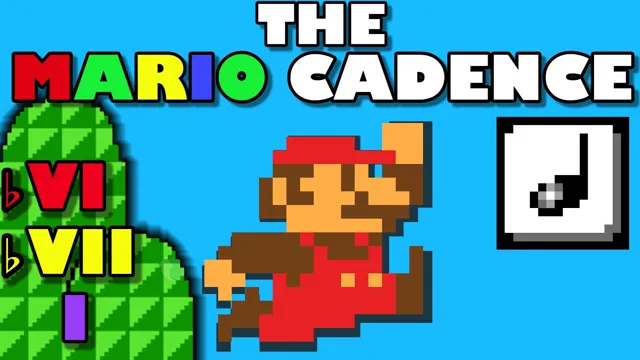
The Mario Cadence: How To Use These 3 Majestic Chords
The Mario cadence — I-bVI-bVII-I — is a striking modal mixture progression heard in Super Mario Bros, "I Am the Walrus" by The Beatles, and Seal's "Kiss From A Rose." Learn how to write with it.
The Scariest + Creepiest Chords AND How to Use Them
Explore the spookiest chords in music theory and learn how to use them in your compositions. From minor add9 to the minMaj7, discover why minor triads skew toward the sinister.
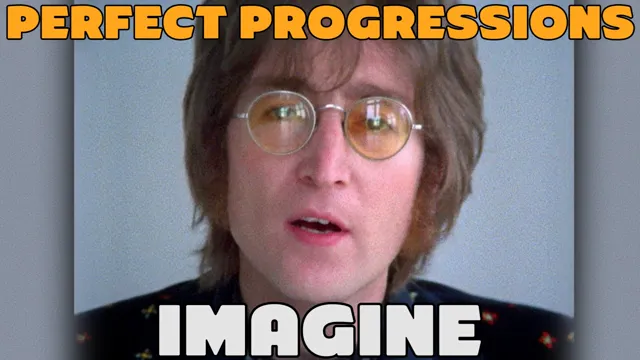
Analyzing the Chords of John Lennon's "Imagine"
A deep dive into the chord progression of John Lennon's iconic song "Imagine." Learn about the creative use of borrowed chords, inversions, and how simplicity creates impact.
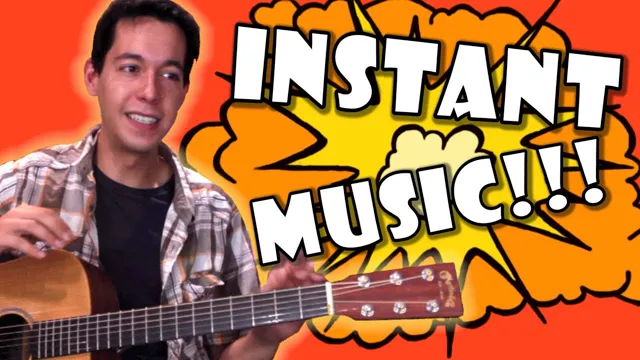
Motifs and Chords: The Fast and Easy Way to Make Music
Learn a simple, effective, and versatile technique for writing music. Start with a melodic motif, build chords underneath it, then modify and reharmonize to create complete pieces.
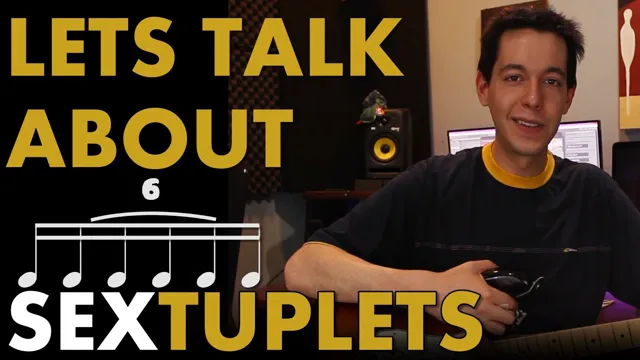
Sextuplets: How to Play, Count, and Write with 16th Note Triplets
Master sextuplets (16th note triplets) with counting techniques, common variations, and compositional applications. Learn to play 6 notes per beat with confidence.
Analyzing Perfect Chords from "We Are the Champions" by Queen
Discover what makes this Queen anthem so powerful and triumphant. Learn about the dramatic chord changes, modulations, and why this song feels like a victory lap.
How To Write Progressions With 7th Chords: maj7, m7, & 7
Learn how to use Major 7, minor 7, and dominant 7 chords in your progressions, adding more color and interest to your harmony.
The Music Theory of POWER CHORDS
Power chords are the building block of rock and metal. Their simplicity gives them unparalleled versatility — the ability to accommodate both major AND minor tonalities. Learn how they fit into your scale concepts and how to apply them.
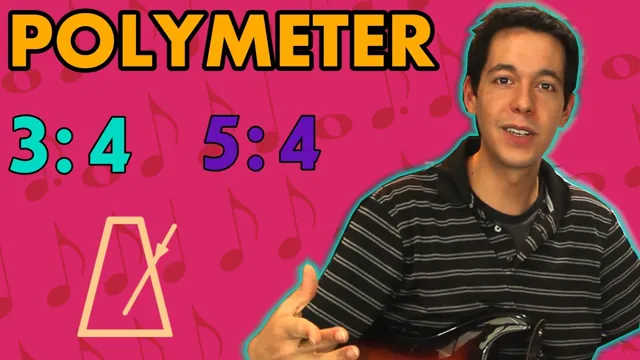
Polymeter: Understanding and Using Complex Rhythms
Learn what polymeter is, how it differs from polyrhythm, and how to use these complex rhythmic concepts in your own music. This lesson breaks down polymeter with clear examples and practical applications.
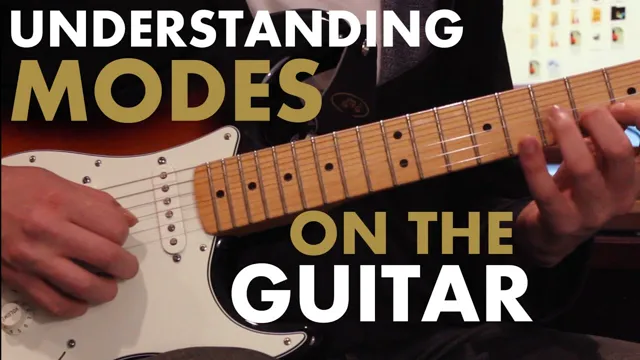
Playing In Every Mode with ONE Tiny Scale Shape
Instead of learning thousands of scale shapes, learn how to use the ones you already have! This lesson demonstrates how the minor pentatonic shape can be used to play in all 7 modes by simply changing your root note.
Analyzing Perfect Chords from "When I Was Your Man" by Bruno Mars
Explore the beautiful chord progression of Bruno Mars' emotional ballad. Learn about the use of major 7ths, suspended chords, and how the harmony supports the lyrical content.
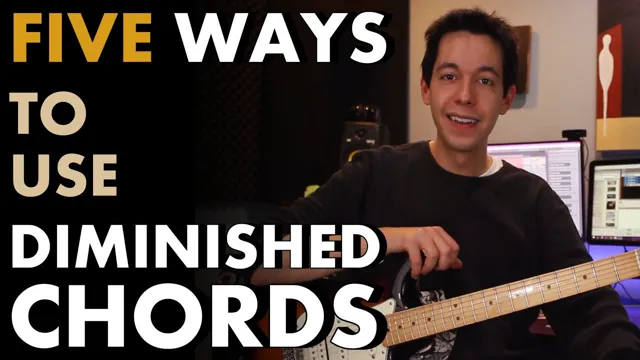
5 Easy Ways to Use and Write with Diminished Chords
Practical applications for diminished chords in your progressions. Learn to use them between whole steps, in two-chord jams, the ii°-V-I progression, as pivots to new keys, and as tonic diminished.
Analyzing the Chords from George Harrison's "Something"
A chord-by-chord walkthrough of George Harrison's "Something," demonstrating a classy way to get from the tonic to the minor vi chord, with secondary dominants, line clichés, and a surprise modulation to A major along the way.
Writing Progressions with Borrowed Chords
Learn about Modal Interchange, Borrowed Chords, and Modal Mixture — the concept of using parallel modes to expand your chord palette. Discover how to borrow chords from minor, Lydian, Phrygian and more to create unique and interesting progressions.
Sus Chords Pt 2: Advanced Suspended Variations
Dive deeper into suspended chords with advanced concepts like add11, Maj7sus4, and the relationship between 4ths and 11ths. Learn when and how to use these sophisticated chord voicings.